
Risk Assessments
Safeguarding children through comprehensive risk assessments
What is a Risk Assessment in Family Law?
A risk assessment in family law helps professionals and the Court to understand any dangers or risks that might affect a child’s safety and well-being. These assessments are often requested by the Court, especially when there have been past issues such as domestic abuse substance abuse and mental health concerns. The goal is to keep the child safe and to make informed decisions about their care.

Key Areas We Assess
We look at several important areas during a risk assessment:
1.
Past Issues: We examine if any past problems occurred in the family – domestic violence, substance abuse or mental health issues.
2.
Parenting Safety: We observe how parents interact with their children to see if they communicate in a safe and supportive way.
3.
Professional Input: We may talk to other professionals involved with the family, for example doctors, probation officers or counsellors, to get a complete picture.
Our Process to Delivering Risk Assessments
Our risk assessments are thorough and detailed. These are the steps we follow:

Gather Information
We collect written materials and reports from other agencies.

Interviews
We interview the parents to understand their situation and any concerns.

Observations
We observe the parents with their children to see how they interact and if the children feel safe.

Professional Consultations
We may speak with other professionals to gather more information.
Why Choose Our Risk Assessments?
Our risk assessments are trusted by family Courts because they are detailed and fair. Here’s why:
1.
Experienced Team: Our team is skilled in handling complex family situations and understanding the risks.
2.
Thorough Assessments: We cover all aspects of the family’s situation in our assessments.
3.
Fair Evaluation: We assess both parents without any gender bias.
4.
Helpful Recommendations: We provide suggestions to improve the family’s situation and keep the child safe.
FAQs
What are the risk factors for children?
Risk factors can vary but commonly include parental conflict, emotional or physical neglect, domestic abuse, and exposure to substance misuse. Keeping a child away from a safe parent or failing to meet their basic education or emotional needs may also be considered significant risks and require intervention.
What is a risk in children's development?
Risks in development may include poor nutrition, lack of stimulation, exposure to violence or inconsistent caregiving. These factors can impact a child’s emotional regulation, learning, social interaction and sense of safety. Identifying developmental risks early allows professionals to intervene and provide appropriate support or referrals.
Other Ways We Can Help

Section 7 reports
We provide child-focused Section 7 reports under the Children Act 1989, giving the Court a clear picture of what is in the child’s best interests.
Supervised and supported family time
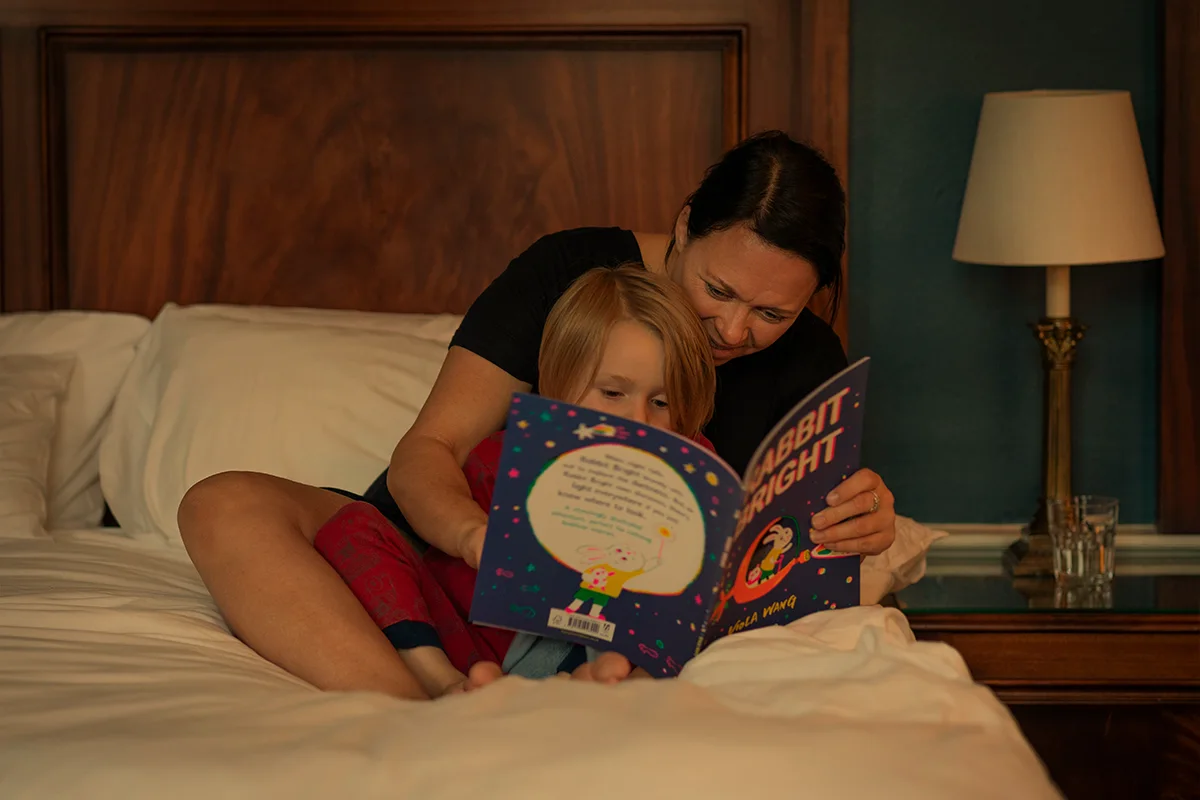
We provide structured contact sessions that ensure children’s safety and emotional wellbeing, offering both fully supervised and lightly supported formats based on the family’s needs.

Planning and preparation
We support residence transitions through structured planning that prioritises the child’s emotional security and practical needs.