
Indirect Family Time Supervision
Maintaining parent-child relationships in flexible ways
What is Direct/Indirect Family Time?
Direct family time involves face-to-face visits between a child and their parent. Indirect family time includes other forms of contact, such as phone calls, video calls, letters, or photos. This approach is used when face-to-face visits are not possible or used as a bridge between large gaps of direct family time.

Why This Approach Works
Indirect family time helps maintain the parent-child relationship when direct contact is not possible. It can be a stepping stone towards face-to-face visits or used alongside other forms of contact to maintain the relationship. Indirect contact can be a step in the process, which for some families can mean starting with indirect contact, then moving to supervised in-person contact, and finally to supported contact.
Our Approach to Indirect Family Time Supervision
Our process includes:

Supervised Calls and Letters
We monitor phone calls, video calls, and written communication to ensure they are positive and appropriate.

Regular Updates
We provide regular updates to both parents and when required, the Court.

Flexible Arrangements
We work with families to find the best way to maintain contact.
FAQs
What are three examples of indirect contact?
Indirect contact refers to communication that does not happen in person. Common examples include letters, cards or gifts, video calls such as Zoom or FaceTime, and regular phone calls. These forms of contact can help maintain a connection with the child when direct visits are not possible or appropriate.
Can a parent stop another parent from seeing their child?
A parent may attempt to prevent contact if they believe there are genuine safeguarding concerns, or if there are unresolved disputes. However, the decision about whether contact should happen will ultimately depend on professional assessments and the Court’s view on what is best for the child.
At what age can a child refuse to see a parent in the UK?
There is no fixed age at which a child can refuse contact. As children grow older, their views are given more weight, but decisions are made based on a full assessment of all circumstances. The court will consider the child’s wishes alongside safety and emotional well-being.
Other Ways We Can Help

Parenting plan work
We support parents in creating child-focused parenting plans that reduce conflict and encourage cooperative arrangements.
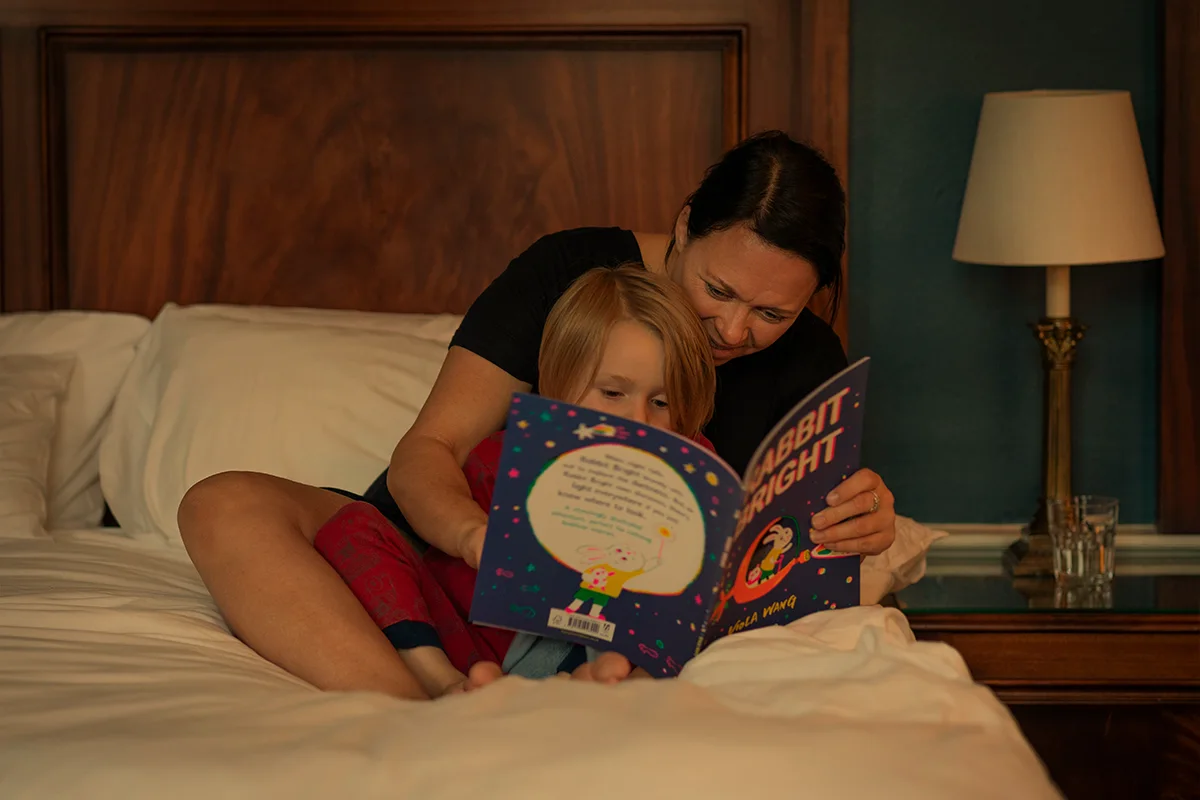
Supervised and supported family time
We provide structured contact sessions that ensure children’s safety and emotional wellbeing, offering both fully supervised and lightly supported formats based on the family’s needs.

Reunification work
We deliver structured plans that support safe and gradual reunification between children and their parents in complex circumstances.